Friday
May252012

Sneakiest of the Sneaky

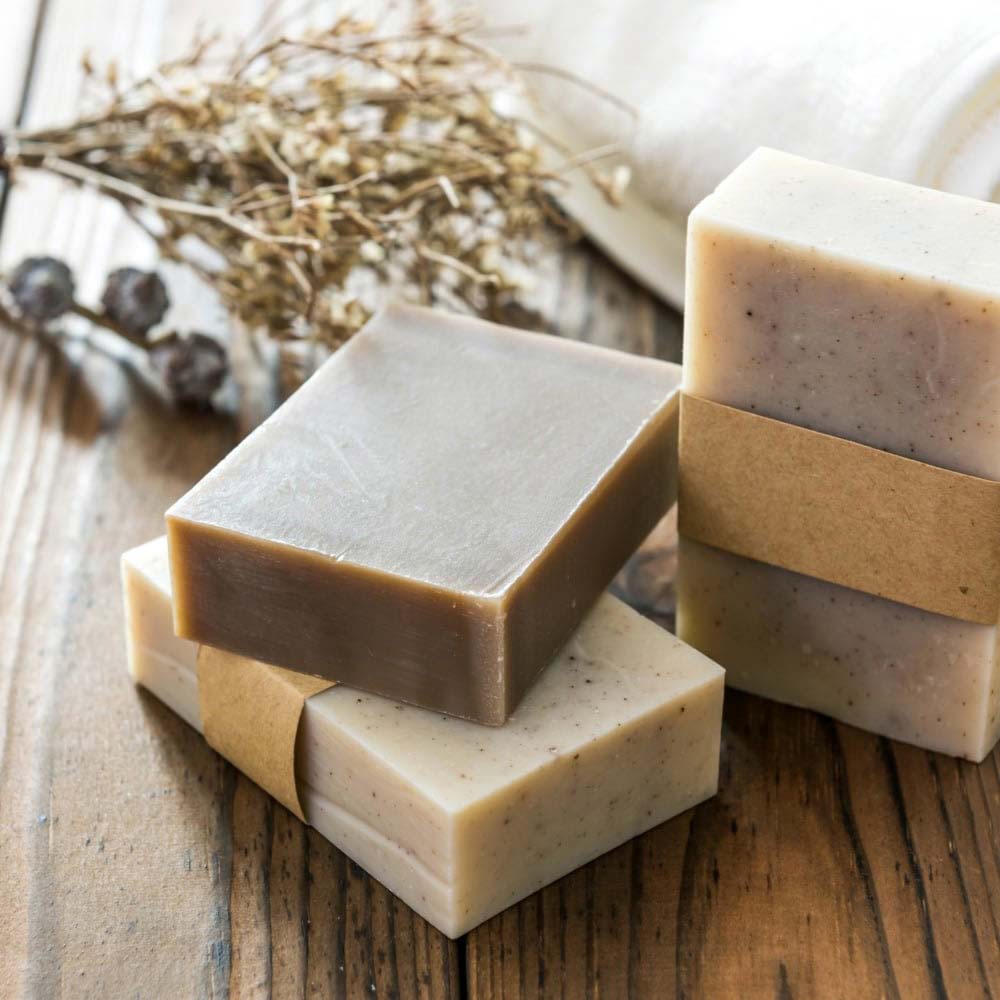
Obviously, I'm obsessed with hunting down Sneaky Stuff and calling these companies out. Ecover, Burt's Bees, Earth's Best...lots of "natural" giants fall short when it comes to producing truly safe products.

For the most part, though, Sneaky Stuff is made my companies that avoid some of the most well-known toxic chemicals, like phthalates and parabens. More importantly, these companies are generally moving in the right direction, removing chemicals as evidence mounts about their toxicity, and--probably most influentially--as the media draws attention to the dangers of these ingredients. 

Unearned Reputations
Then there is the sneakiest of the Sneaky Stuff. I'm talking about those companies that enjoy a reputation for being green and clean, who throw around terms like "plant-based" and "earth-friendly," but whose ingredients are identical to the mainstream brands that are always being torn for their toxic ingredient list. Here are my picks for the sneakiest stuff of all:

Aveda

If you ignore the ingredients it uses, Aveda could be considered a "green" company. It is a leader in the field when it comes to raising awareness about recycling, alternative energy, and sustainable practices. 

Owned by Estee Lauder since 1997, Aveda was founded by Horst Rechelbacher, who says: "[A chemist] convinced me to use preservatives and phthalates because they were "safe"...They work under all conditions to make the products stable...So the chemist makes it stable and says it is safe." (Source: No More Dirty Looks, by Siobhan O'Connor and Alexandra Spunt)

Aveda products contain parabens, retinyl palmitate, artifical colors, and lots of other bad stuff. Yet their tagline remains, "The art and science of pure flower and plant essences." 

Kiehl's

Owned by L'Oreal, Kiehl's doesn't provide a comprehensive list of ingredients anywhere on their website. When browsing through various products, you'll notice that you can only see "key ingredients," which of course features whatever plant extract is found in miniscule amounts in that product. You'll have to actually get your hands on a bottle of Kiehl's to see that it contains phthalates, phenoxyethanol, parabens, chlorphenesin (a neurotoxin that is restricted in Japan), triethanolamine, sulfates, various penetration enhancers, alcohol, and oxybenzone, among other bad stuff. 


The Body Shop

Also owned by L'Oreal, The Body Shop was super popular among my friends when we were in junior high in the '90s. I thought I was a sooo earthy when I slathered myself in the cloying mango body butter. Of course that scent was not a result of actual mango oil, but rather phthalate-ridden fragrance. In addition, Body Shop products contain benzyl alcohol, parabens, and artificial colors. 

Still, the Body Shop proclaims: "We believe there is only one way to be beautiful: nature's way."


Monday
May212012

Empowering Mom in the Morning

-By Suzanne ("Nana")

Many of my clients are mothers of young children, and I often hear that they wish they had more energy. Relying on caffeine has its drawbacks

On this blog, I usually suggest recipes with kids in mind. Today, I am going to give you something that's JUST for moms. It's my go-to for a great day. 

The Miracle Smoothie
A couple of years ago, my husband and I stumbled upon a raw, organic lunch shop in Portsmouth, New Hampshire.

The shop was tiny, only able to hold two or three customers at a time, but there was often a line of corporate types out the door (not the type of people you would normally see at a health food restaurant). 

I asked the middle-aged fellow in front of us why the place was so crowded. We learned that he was an attorney who could not get through his day without the chocolate hemp smoothie from this cafe. In fact, almost every customer was leaving with the same thing--the chocolate hemp smoothie!

When it was our turn to order, we asked the store owner, (a young hippie) why this smoothie was so popular. 

“Try one and you'll be back tomorrow,” he chuckled.

Cacao nibsIndeed, we returned the next day for another smoothie. Upon our third visit, we asked the guy if he'd give us the recipe because we might go broke buying this smoothie (it was not cheap!). He must be a really bad capitalist because he proceeded to show us all the ingredients and how to prepare them, and even told us where we could buy the everything at wholesale prices!

These chocolate hemp smoothies have become a staple in our home (and we often mix in a variety of other ingredients).

The essential recipe is as follows.


Blissful Chocolate Hemp Smoothie

Ingredients

  • 1 banana (peeled and frozen overnight)
  • 2 dates (pitted and preferably covered and soaked in water overnight, although I have forgotten to soak them and just added them dry)
  • 2 tablespoons hemp seeds
  • 2 tablespoons raw cacao nibs or raw cacao powder (notice that raw chocolate is called "cacao" NOT "cocoa," which is roasted, making it bitter (requiring sugar) and not as healthy. 

Preparation 

  • Blend hemp seeds with ½ cup of water in a blender. 
  • Add frozen banana, dates (with soaking water), and the ground raw cacao nibs. Blend. (I grind the raw cacoa nibs in a coffee grinder before adding, but you can also buy raw cacao powder.)

You can experiment with the amount of water depending on how creamy you like your smoothie. I sometimes add more cacao when I want an especially blissful experience. You can buy cacao nibs or powder and raw hemp seeds on Amazon or in your local natural foods store. 

Try my other favorite smoothie recipes.


A Burst of Energy
I find that on days that begin with a chocolate hemp smoothie, I get a great buzz, feel excited and energetic, and experience no letdown the way I do when I drink coffee. 

If you want to make this smoothie kid friendly (I can't resist!), just skip the cacao and make a hemp smoothie with banana and dates. This variation is also delicious and full of digestible protein.

For health food geeks like me...

David Wolfe, who is a superstar in the raw food movement, has compiled a list  of the top super foods.  Cacao (raw chocolate) ranks #1, and raw hemp ranks #4. 

Cacao (raw chocolate): The seed/nut of a fruit of an Amazonian tree, cacao is the highest antioxidant food on the planet--it's also our #1 source of magnesium and chromium, and is extremely high in PEA, theobromine (for cardiovascular support), and anandamide (the “bliss chemical”). Raw chocolate improves cardiovascular health, builds strong bones, is a natural aphrodisiac, elevates your mood and energy, and increases longevity.

Hemp products eaten in their raw form: Hemp seeds are packed with 33 percent pure digestible protein, and are rich in iron, amino acids, and vitamin E as well as omega-3’s and GLA. Hemp is a perfect food for growing children and adults looking to increase protein intake.

I hope you will enjoy increased energy with the help of this smoothie. Please share your own recipes for empowering breakfasts. 

Warmly,
Suzanne

Suzanne Weaver-Goss is a certified Holistic Health Coach who shows busy moms how to have more energy through simple shifts in diet, without having to spend all day in the kitchen. Visit her website at suzanneweavergoss.com or call her at 717-413-8182 and sign up for a free 45-minute Mom's More Energy strategy session.

Thursday
May102012

Natural Mineral-Based Sunblocks Linked to Melanoma

Choosing a sunscreen that is truly safe has become an increasingly confusing endeavor. And now, a new study shows that the type of sunscreen often touted as the safest may raise the risk of melanoma!

Zinc oxide=free radicals=DNA damage=melanoma?
According to this study, zinc oxide--an ingredient commonly used in natural sunscreens--undergoes a chemical reaction when exposed to ultraviolet light that may release free radicals. Free radicals can damage DNA, thus increasing the risk of skin cancer.

It is important to note that this new research only looked at nanoparticles of zinc oxide. Hopefully, the same free radical formation doesn't occur with micronized or larger particles. (Read on for more about nano and micronized particles.)

Chemical sunscreen versus mineral sunblock
You can read about my feelings on sun safety (and vitamin D deficiencies) in our review of natural sunscreens, but I'll try to give you a not-too-confusing rundown of sunscreen/sunblock safety here:


  • There are two types of sun protection lotions--chemical (sunscreens) and physical (sunblocks).

  • Chemical sunscreens penetrate the skin and absorb the sun's rays.


  • The most common active ingredient in chemical sunscreens is carcinogenic, hormone-disrupting oxybenzone, which--when exposed to sunlight--is associated with the production of free radicals (ironically, free radicals are what lead to wrinkles and premature aging).

  • Physical sunblocks, on the other hand, contain minerals (usually zinc oxide or titanium dioxide) that form a barrier on top of the skin that blocks or deflects the sun. Most sunscreens advertised as "natural" do not contain oxybenzone and instead are mineral-based, although there are some exceptions.


  • Because mineral sunscreens leave a white sheen on the skin, manufacturers usually use nanoparticles of zinc oxide or titanium dioxide in their formulas, and these microscopic molecules are suspected to contribute to the formation of free radicals. The newest study, mentioned above, looked at nanoparticles of zinc oxide.

  • In response to the bad press about nanoparticles, many natural sunscreen manufacturers now use micronized particles of zinc oxide or titanium dioxide. These are slightly larger than nanoparticles, and may or may not carry with them similar health concerns; there is a lack of research on their safety.


  • So what's a concerned parent/human to do?

    My recommendation is to skip the sunscreen, and let your kid enjoy a few minutes of vitamin D exposure each morning or afternoon. Get inside during the hottest hours of the day. Use hats and umbrellas if you can. When you're at the beach or otherwise unable to avoid heavy sun exposure, stick to a non-nano zinc oxide or titanium dioxide sunblock (I might favor the titanium dioxide formulas for the time being). And remember: the whiter the sunscreen goes on, the better!

    Read Gimme the Good Stuff's Sunscreen Review for your safest bets.

Sunday
May062012

Kids Love Veggie Smoothies!

--By Suzanne ("Nana")

As you’ve probably inferred, I’m obsessed with vegetables, especially green vegetables. Getting toddlers to eat veggies can be challenging—in particular, bitter greens and vegetables with rugged textures will often be rejected.

A Smooth Way to Include Veggies in Kids' Diets

To get dark, leafy vegetables into my two grandsons, I often blend them into smoothies.

Felix is skeptical of green drinks, and doesn’t trust us when we say, “It’s delicious; just taste it!” So, the first time I gave him a green smoothie it was a fail.

Theo enjoying carrot/beet juice, another healthy and popular beverage in our house.The next time I outwitted him. I put the green smoothie in a paper cup with a straw so he couldn’t see the color. He tasted it, loved it, and then noticed the color on the inside of the straw! Later he bragged about enjoying a green smoothie. Mission accomplished!

Best-Bet Veggie Blends
If you make veggie smoothies for your kids or grandkids, you can experiment with various greens (as well as other veggies). I have used spinach, mesclun greens, romaine lettuce, butterhead lettuce, red and green leaf lettuce, and kale. For Theo’s smoothies (he is less picky than Felix), I’ll sometimes add carrots, beets, or squash.

Of course, smoothies also require a healthy amount of bananas and berries and something rich and creamy like hemp seeds, almonds, raw cashews, or yogurt.

I tend toward the milder tasting greens when making these smoothies for kids. When I don’t have much in the fridge, I’ll grab some parsley from the herb garden and throw that in the blender.

Two smoothie suggestions are outlined below. Please send along your own variations!


Creamy Almond Berry Blend
Start with a handful of nuts (almond or cashew) or a seed (hemp or chia). Blend this with a little water, and then add fruit (banana, dates, and/or berries) and then spinach or other greens. Voila! It’s yummy, rich, healthy, and kid friendly!

Super Food Smoothie
My husband, John, makes smoothies with the same base that I’ve outlined above but throws in a host of healthy additions: spirulina, raw cocoa nibs, maca powder, and flax seeds. He admits that he cares less about flavor and simply wants ALL the good stuff in his smoothies, but often his concoctions are delicious! Note that cocoa nibs contain caffeine, so you will want to skip that when making a smoothie for a child.


Tuesday
May012012

Breastfeeding, Infant Immune Function, and Healthy Gut Bacteria

Earlier today, my husband, Daylon, sent me an article about a new study that shows that breastfeeding is linked to a healthy gut in infants because of the way specific genes are expressed. While the conclusions of this study are fascinating, the details are esoteric and the article is too science-y for me.

Since Daylon has a Ph.D. in molecular embryology and works in the medical field, I asked him some questions that helped me understand the crux of this article. Here's what he had to say:

Most people are aware of the connection between the flora in your gut and your general gastrointestinal health (see: fecal transplants as a treatment for IBS) as well as the capacity for the flora in our bodies to regulate healthy homeostasis (see: why antibiotics result in yeast infections).

People are also generally aware of the notion that lack of proper immune stimulus (e.g., bacterial/viral infections and/or exposure to allergens) can result in poor immune responsiveness in adulthood and/or allergies. Indeed, many lines of evidence have been presented in recent years supporting the hypothesis that a childhood of exposure leads to a healthy immune system; another vivid example is the one involving pigs in mud versus clean pigs.

Ok, I'm with you. But get to the part about THIS study. 

Basically, this breastfeeding study builds on what everyone already knew, but in a different context. Because the intestinal epithelia (the skin lining the inside of the intestines) is shed in feces at an astonishing rate (one-sixth of its total each day), you can examine the "expression profile" of those cells. At the same time, you can also measure the types of bacteria that are colonizing the gut by virtue of their own non-human "expression profile."

Ok, so what did the study find?

These researchers made two important discoveries:

  1. There were more types of microbes present in the gut of a breastfed baby.
  2. In spite of this putatively "pathogenic" finding (more flora is often mistakenly presumed to equal a more virulent burden), the immune response in the intestine had adjusted to cope with the increased diversity of flora. The researchers can tell how the cells in the gut are responding because they are shed in the feces, from which they can be isolated and tested. 

By tying these points to other studies of immune capacity and early exposure to bacteria, it is reasonable to believe that the lack of bacterial diversity in the formula-fed gut may result in imbalances in the acute phase (an interesting though data-light explanation for colic), but more importantly, may result in long term complications surrounding the health of the gastrointestinal and immune systems.

So is it the absence of breast milk or the presence of formula that causes problems (and vice versa when it comes to the benefits)?

I'm sure that the natural balance of sugars in breast milk are suitable for a range of biota, while formula either negatively or positively selects for a subset, leaving an unbalanced repertoire that leads to a relatively incomplete immune stimulus.

While Daylon's synopsis may still be a little dense for some of us (I secretly just had to look up the word "putatively"), I understand the gist of the article now, and I think this is further incentive for mothers to breastfeed for at least the first year.